
Strava’s Shield: Why the New Profile Picture Angered Users
You may have opened the Strava app one morning to a surprise: your familiar, circular profile picture was gone. In its place was an orange, shield-like shape. This change, rolled out exclusively for paying subscribers, was intended to be a simple design update for the subscriber badge. Instead, it triggered a wave of frustration among the platform’s most dedicated users, offering a clear lesson in user experience and the personal nature of our digital identities.
The reaction wasn’t just about aesthetics. Athletes felt the change was forced upon them, turning a symbol of support for the platform into what many described as a pretentious display. This situation highlights a critical disconnect that can happen when a platform alters how users present themselves without offering them any control.
What Exactly Changed with Strava’s Profile Pictures?
The core of the update was a visual redesign of the subscriber identifier. For years, Strava subscribers had a small, discreet orange arrow badge next to their names. The platform decided to make this status more prominent by changing the shape of the entire profile picture frame from a circle to a shield for all paying members. Non-subscribers retained the classic circular avatar.
According to Strava’s community managers, this was not the introduction of a new feature but rather a redesign of an existing one. The goal was to create a more distinct visual cue for subscribers. While the intent may have been to add a premium feel, the execution overlooked how users perceive their own profiles. Instead of feeling like a perk, the mandatory new shape felt like a loss of personalization for many.
Analyzing the User Backlash: More Than Just a Shape
The negative feedback that flooded Strava’s community forums reveals several layers of user frustration. The complaints went far beyond a simple dislike for a new design, pointing to deeper issues with the platform’s direction and its relationship with its paying customers.
Aesthetic and UI Disconnect
Many users found the shield shape to be visually unappealing. Words like “ugly,” “horrendous,” and “disjointed” were common. The circular shape is a design standard on social platforms for a reason: it’s aesthetically pleasing and naturally frames a face. The sharp, angular shield felt out of place within the app’s interface and was seen by many as a step backward in UI design.
Perception and Privacy Concerns
A significant portion of the backlash centered on the social implications of the change. Many subscribers support Strava financially but do not wish to broadcast their payment status to their followers. They felt the shield was “pretentious” and turned their profile into an unwanted status symbol. Users argued that their subscription status is private information, and they should have the right to keep it discreet. The previous small badge was acceptable; a complete reshaping of their identity was not.
Lack of User Control
The most significant issue was the lack of choice. Paying users, who are arguably the most invested in the platform, were given no option to opt out of the new shape. The inability to revert to the standard circle felt disrespectful. Users felt they were paying for a service only to have less control over their own profile than non-paying users. This lack of agency is a major friction point in any digital product.
Misguided Development Priorities
Additionally, the community pointed to a larger issue: Strava’s development priorities. Athletes have been requesting key functional improvements for years, such as better support for multi-sport activities like triathlons or enhanced race features. The allocation of resources to a controversial and purely cosmetic change, while these functional requests go unanswered, created a sense that the company is out of touch with its user base.

The Psychology Behind Profile Picture Shapes
The strong reaction to Strava’s shield is rooted in the psychology of shapes. Different forms carry subconscious associations that influence our perception of a brand or person. Most social platforms, including LinkedIn, Instagram, and X (formerly Twitter), default to circles for a reason.
Circles suggest community, unity, and friendliness. They are soft, inclusive, and draw the eye inward, focusing attention on the person’s face. This shape aligns perfectly with the goal of social connection.
In contrast, angular shapes like squares or shields convey different meanings. Squares often imply stability, structure, and professionalism. A shield specifically suggests protection, authority, or exclusivity. While this might work for a security company’s logo, it created an unintended social barrier on Strava. It visually separated subscribers from non-subscribers, creating a sense of an in-group rather than a unified athletic community.
How to Maintain Control Over Your Digital First Impression
While you can’t always control the frame a platform puts around your photo, you always control the image inside it. Your profile picture is your digital handshake, and its quality matters. A blurry, poorly cropped, or distracting photo will undermine your credibility, whether on a professional network or a fitness app. The key is to start with a high-quality, well-composed image.
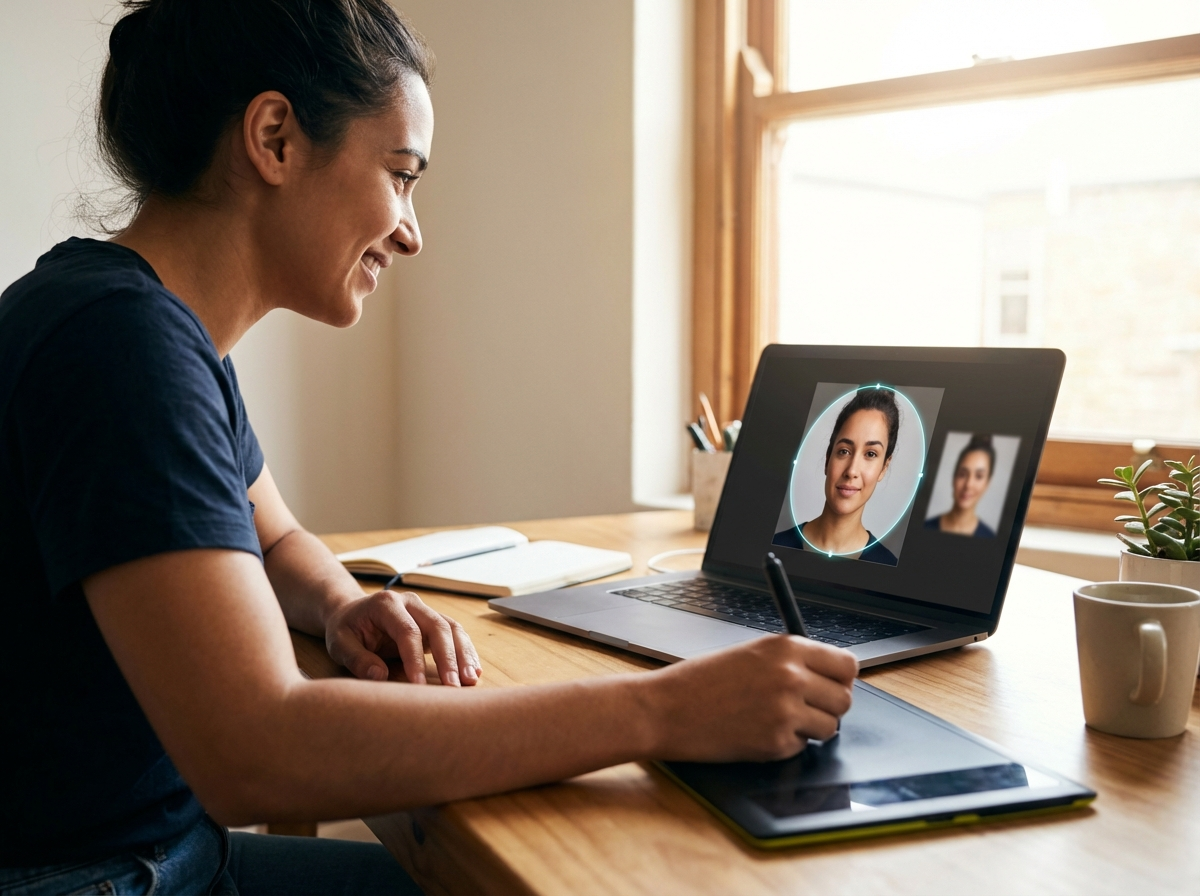
Even within Strava’s shield, a photo that is perfectly centered and cropped will look better than one that is not. Preparing your image beforehand ensures the most important elements are visible. For example, using a circle crop tool allows you to see exactly how your face will be framed, helping you create a balanced composition before you even upload it. This step gives you back a degree of control over your presentation. Getting the crop right is a fundamental step, just as important as selecting the right profile picture size for other platforms.
Lessons for Brands From the Strava Shield Incident
The Strava profile picture controversy serves as a valuable case study for any company managing a community-driven platform. Several key lessons emerge from the user feedback.
A key lesson is to listen to your most loyal customers. Paying subscribers are your brand advocates, and changes that alienate them are incredibly risky. Another is to offer an opt-out when implementing changes to personal expression elements like a profile. A simple toggle in the settings to “Use classic profile shape” would have likely prevented 90% of the backlash. Communication and priorities are also paramount. If you are going to roll out a cosmetic update while major feature requests remain on the back burner, be prepared to justify that decision to a community that is paying close attention.
The controversy over Strava’s subscriber shield is more than a debate about design; it’s a reflection of how much users value control over their digital identity. It shows that even small, seemingly minor UI changes can have a major impact on user satisfaction and brand loyalty. Your immediate takeaway should be to review your own profile pictures across all your important platforms. Ensure your photo is clear, well-composed, and presents the exact image you want, regardless of the frame it lives in.
FAQ
Can I turn off the Strava subscriber shield?
No, Strava currently does not provide an option in its settings for paying subscribers to disable the shield shape and revert to the standard circular profile picture.
Why do social media apps change profile picture shapes?
Platforms may change profile picture shapes to differentiate user tiers (like free vs. paid), highlight participation in an event, or signal a brand identity update. These changes aim to create visual distinctions within the user base.
What is the best shape for a professional profile picture?
A circle is generally considered the best shape for professional and social profile pictures. Its soft edges are inviting and help focus the viewer’s attention directly on the face, fostering a sense of connection and approachability.
Does the shape of a profile picture really matter?
Yes, shapes carry psychological weight. Circles are associated with community and harmony, making them ideal for social platforms. Angular shapes like squares or shields can feel more formal, exclusive, or even confrontational, which can alter the perception of a user’s profile.
Crop images into a circle for free